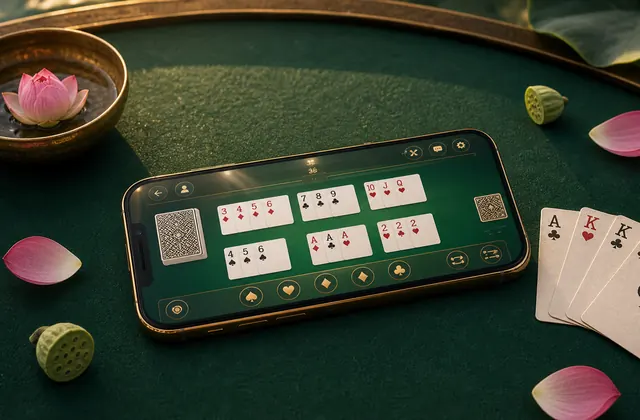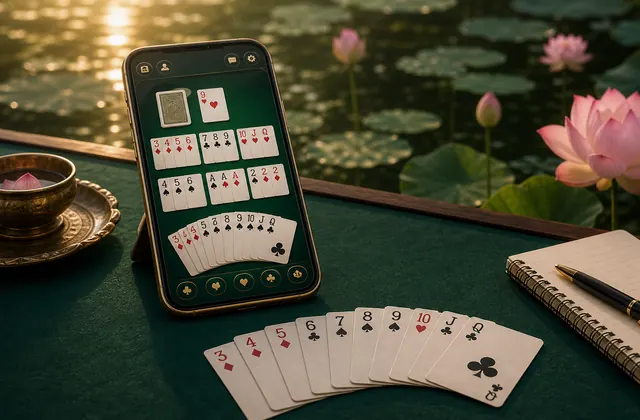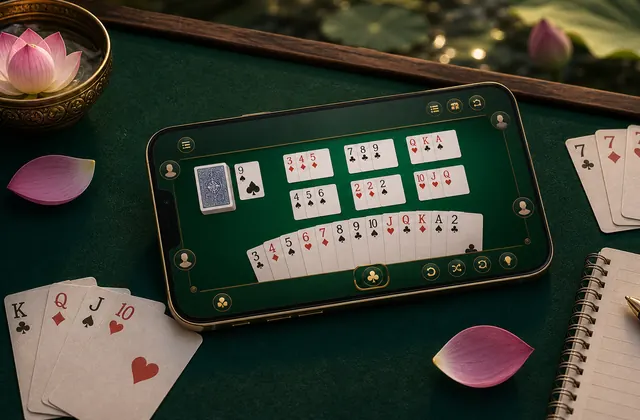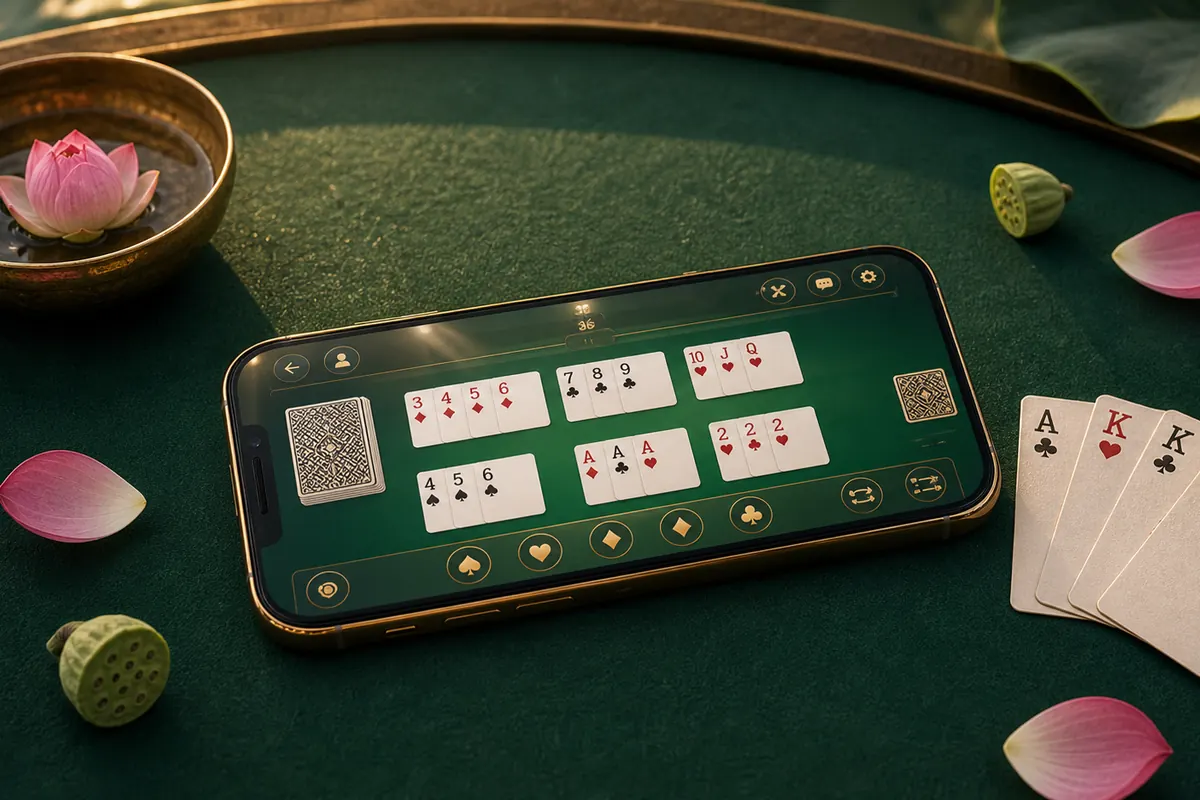
Beginner sequence rule
How many cards make a Yono Rummy sequence?
Two matching neighbours are only a waiting pair; a sequence starts at three cards.
Direct answer
A valid standard Indian Rummy sequence needs at least three consecutive cards of the same suit. Two cards such as 6♣-7♣ are not a completed sequence, even though one more card could extend them. Three or more cards may form a run, provided ranks stay consecutive and the pure-or-impure Joker rules are also satisfied.
Two cards versus a completed run
Count physical cards first, then check rank and suit. A long group does not become valid if it skips a rank.
Why two cards do not count
Indian Rummy groups a 13-card hand into melds. If every two-card neighbour counted, a player could declare with unfinished fragments instead of complete runs. The three-card minimum creates a clear unit that can be checked for consecutive rank, shared suit and Joker use.
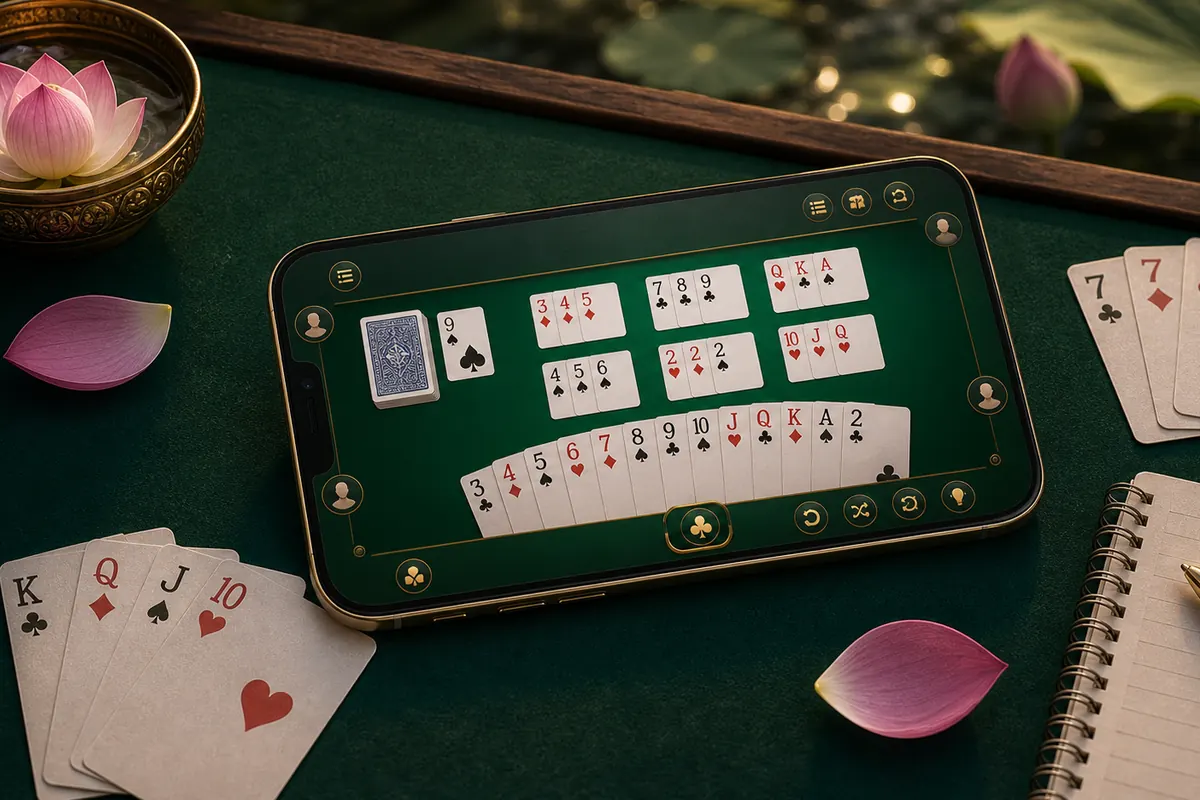
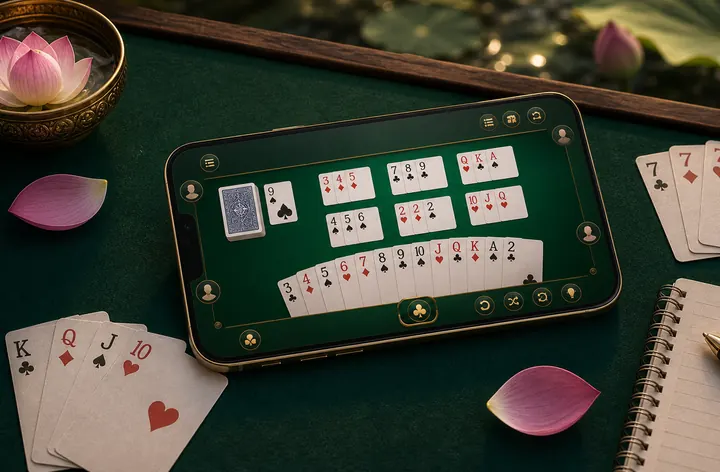
You can keep 6♣-7♣ together while deciding whether you need 5♣ or 8♣, but mark it as an incomplete possibility. Do not let the Sort button or visual closeness persuade you that it already satisfies a sequence requirement.
Five-second sequence check
- Count: are there at least three physical cards in the group?
- Suit: do the natural cards share one suit?
- Order: are the ranks consecutive with no gap or K-A-2 wrap?
- Joker: if a Joker fills a gap, classify the group as impure rather than pure.
- Declaration: after this run, does the whole hand still meet the room’s pure-sequence and second-sequence requirements?
Practise the count in the Play & Learn room. Begin with three-card runs, then extend some to four or five cards and observe that the minimum does not mean the maximum.
Sources and rule scope
- Pagat: an Indian Rummy run is three or more consecutive cards of one suit.
- Pagat: general Rummy meld definitions for sequences and sets.
This is the common 13-card Indian Rummy convention. A specific app may display a house-rule note or a different interface, so read the room instructions. YonoGameGuide is an independent no-cash learning guide, not YONO SBI banking.
Minimum sequence FAQ
Can two cards be called a sequence?
No. They can be a useful waiting pair, but the completed sequence begins at three cards.
Can a sequence contain more than three cards?
Yes. Four or more consecutive same-suit cards can be one sequence, subject to Ace and Joker rules.
 Open learning guide