Declaration requirement
Is a set required for a valid Yono Rummy declaration?
Sequences are compulsory; a set is one option for the remaining cards.
Direct answer
No, a set is not compulsory in the common 13-card Indian Rummy declaration. The hand must contain at least two sequences, including at least one pure sequence. After those requirements are met, the remaining cards may form valid sets, additional valid sequences, or a mix. A hand made entirely of valid sequences can therefore declare without any set.
Mandatory versus optional groups
Do not confuse a common hand shape with a rule requirement. Many examples show two sequences plus two sets because that arrangement is easy to teach, not because every declaration must contain a set.
- Pure sequence
- Mandatory: at least one run of consecutive same-suit natural cards without a substituted Joker.
- Second sequence
- Mandatory: another valid sequence, pure or impure under the room’s Joker rules.
- Set
- Optional: useful for remaining equal-rank cards in different suits, but not required if sequences cover them.
- Every card grouped
- Mandatory: all 13 cards must belong to valid, non-overlapping groups at declaration.
Two declaration shapes that can work
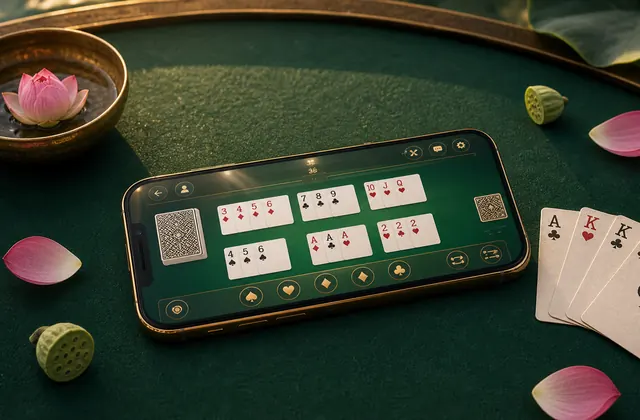
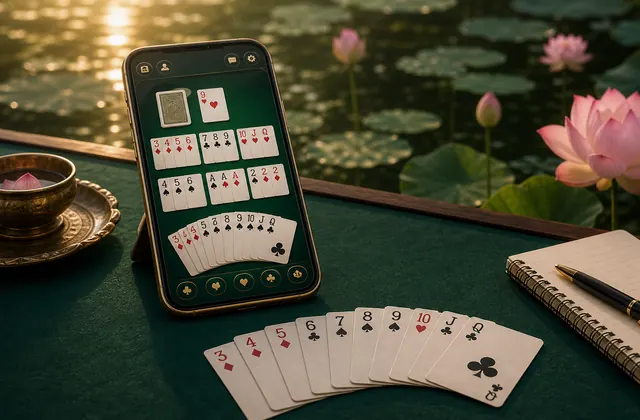
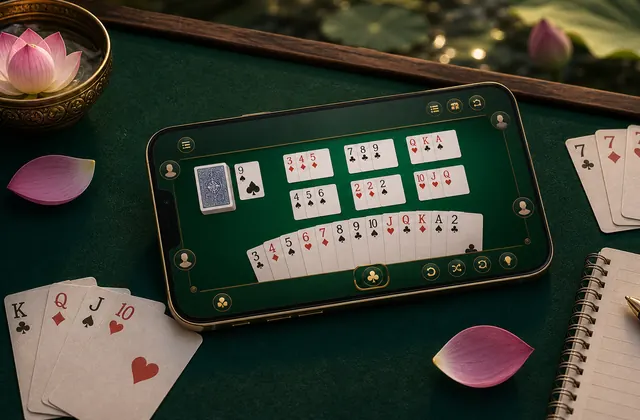
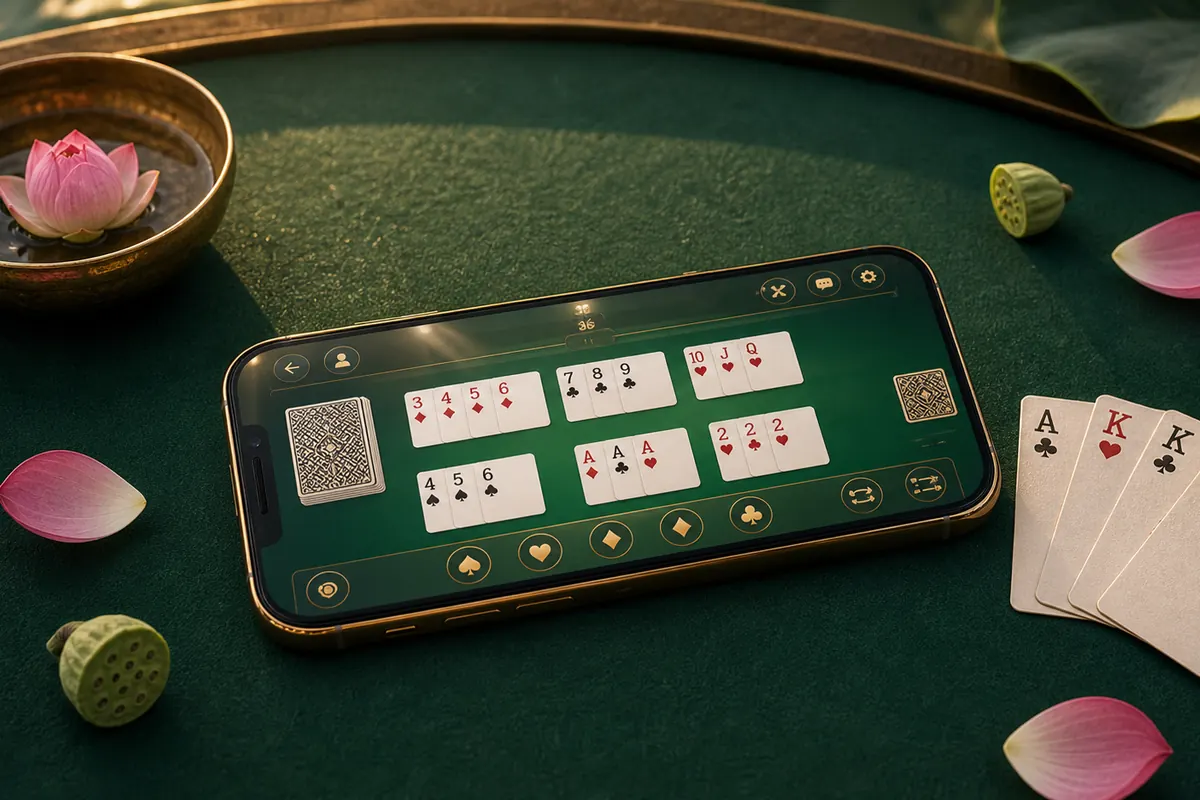
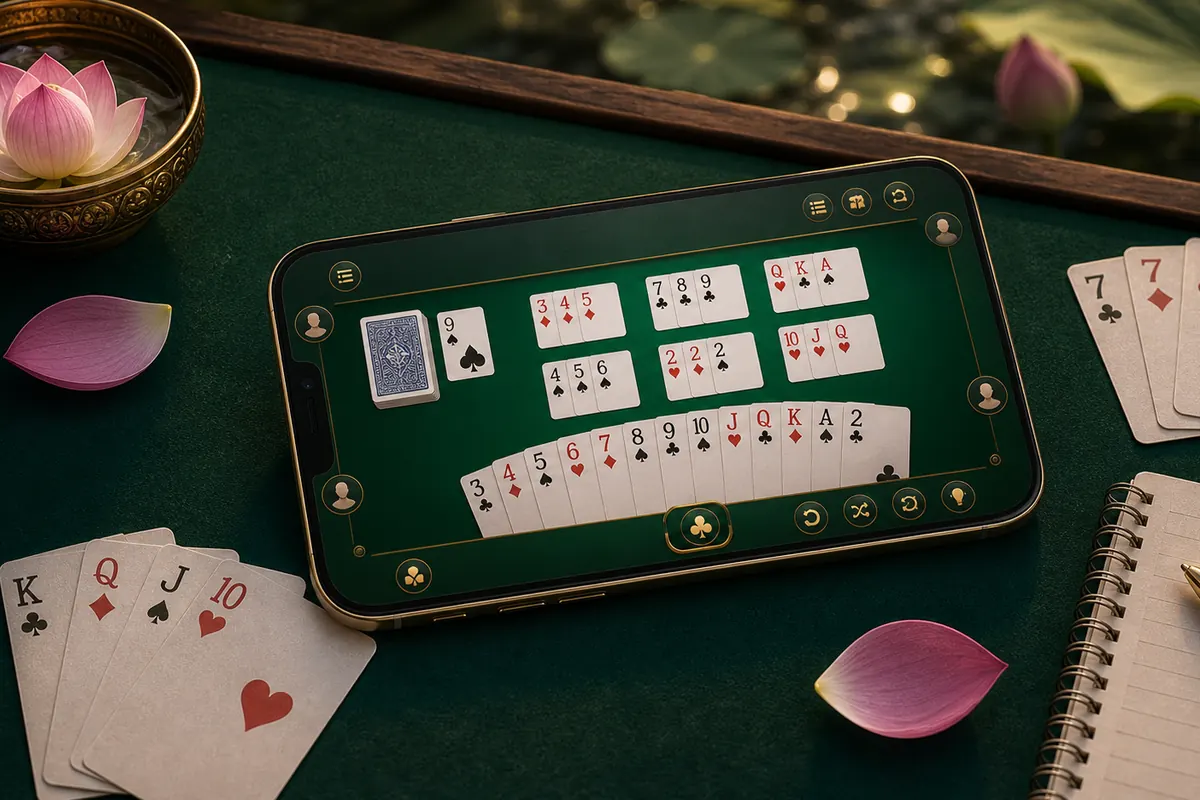
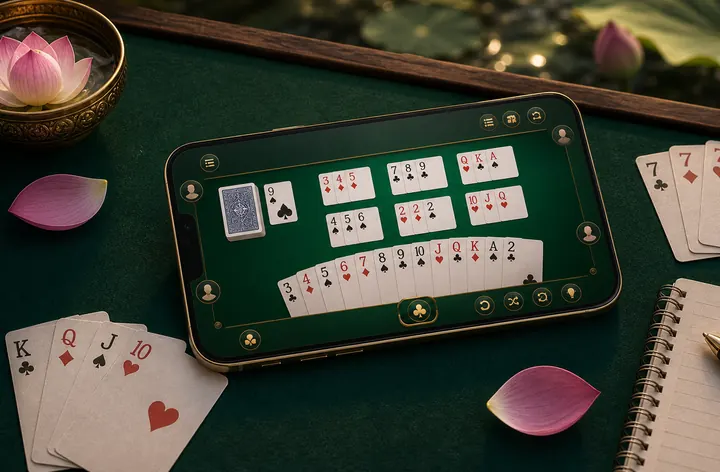
These are partial illustrations, not complete 13-card hands. The second lane shows why a “no set” declaration is possible: additional valid sequences can absorb all remaining cards.
Check the hand in the right order
- Find and protect one pure sequence first. A hand with several sets but no pure sequence is invalid.
- Confirm a second sequence. It may be pure or impure depending on Joker use.
- Inspect every remaining group. Accept a valid set or an additional sequence; do not force cards into a set just to copy a sample layout.
- Make sure no physical card appears in two groups and no card remains loose.
- Read the room’s displayed declaration and Joker rules before tapping Declare.
Use the Play & Learn practice room to rebuild the same 13-card deal in more than one valid shape. The exercise teaches requirement order rather than one memorised arrangement.
Sources and rule scope
- Pagat: Indian Rummy objective, sequences, sets and declaration structure.
- PureRummy: two-sequence requirement and examples where remaining cards are valid sequences or sets.
This page follows the common 13-card convention. Some apps add room-specific validation or terminology; their visible house rules take priority. YonoGameGuide provides independent no-cash learning and is not YONO SBI banking.
No-set declaration FAQ
Can I declare with four sequences and no set?
Yes, if all 13 cards are in valid sequences and the hand includes at least one pure sequence plus a second sequence.
Can I declare with several sets and only one sequence?
No under the common rule. At least two sequences are required, including one pure sequence.
 Open learning guide